Newsletter
JUNE 2026
In This Issue
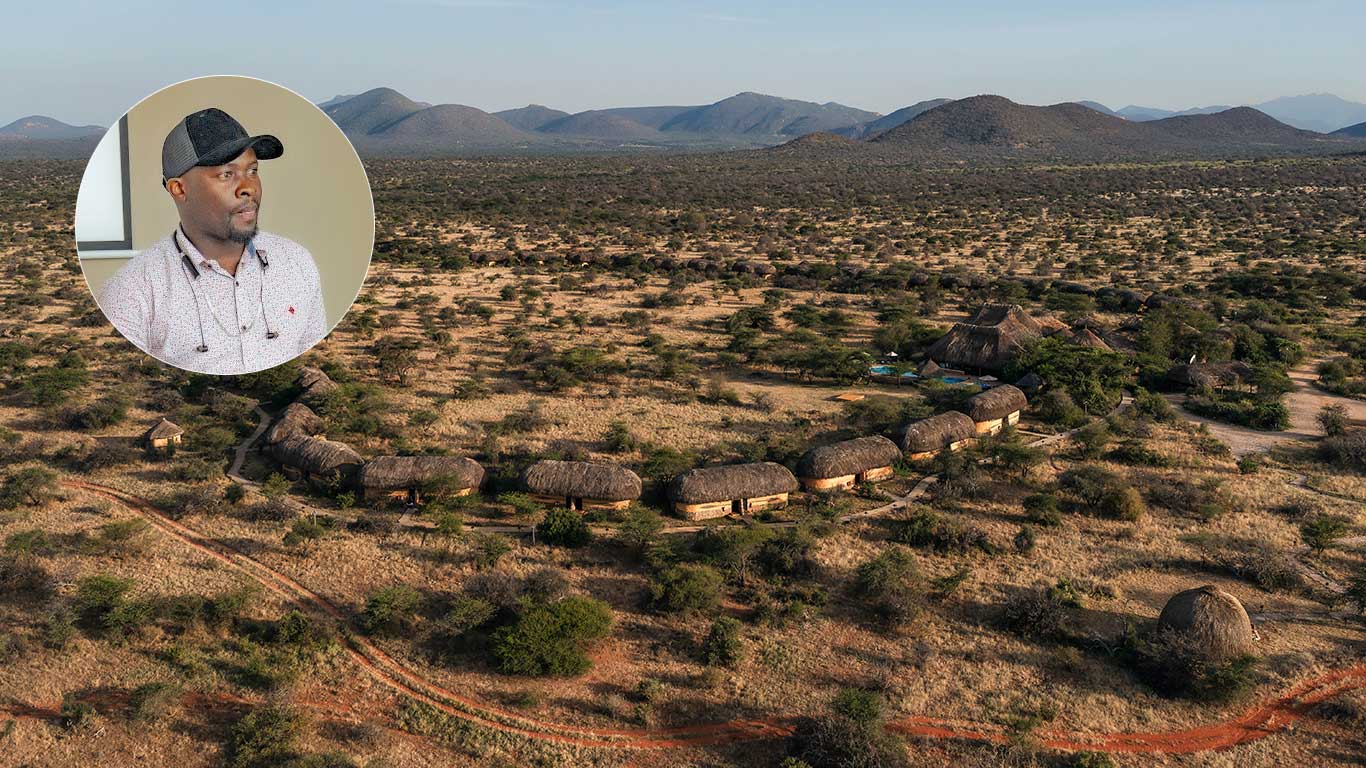
We are excited to announce the winner of our last Trivia Triumph, where participants had the chance to win a two-night stay for two at Samburu Sopa Lodge on a full-board basis.
The challenge was to answer the question: Do you know the historic date and month that Sopa Lodges officially opened its doors to our first guest? The first correct answer wins…
Congratulations, Rodger Elmo’re from Premier Safaris. The correct answer is 8th August, 1986.
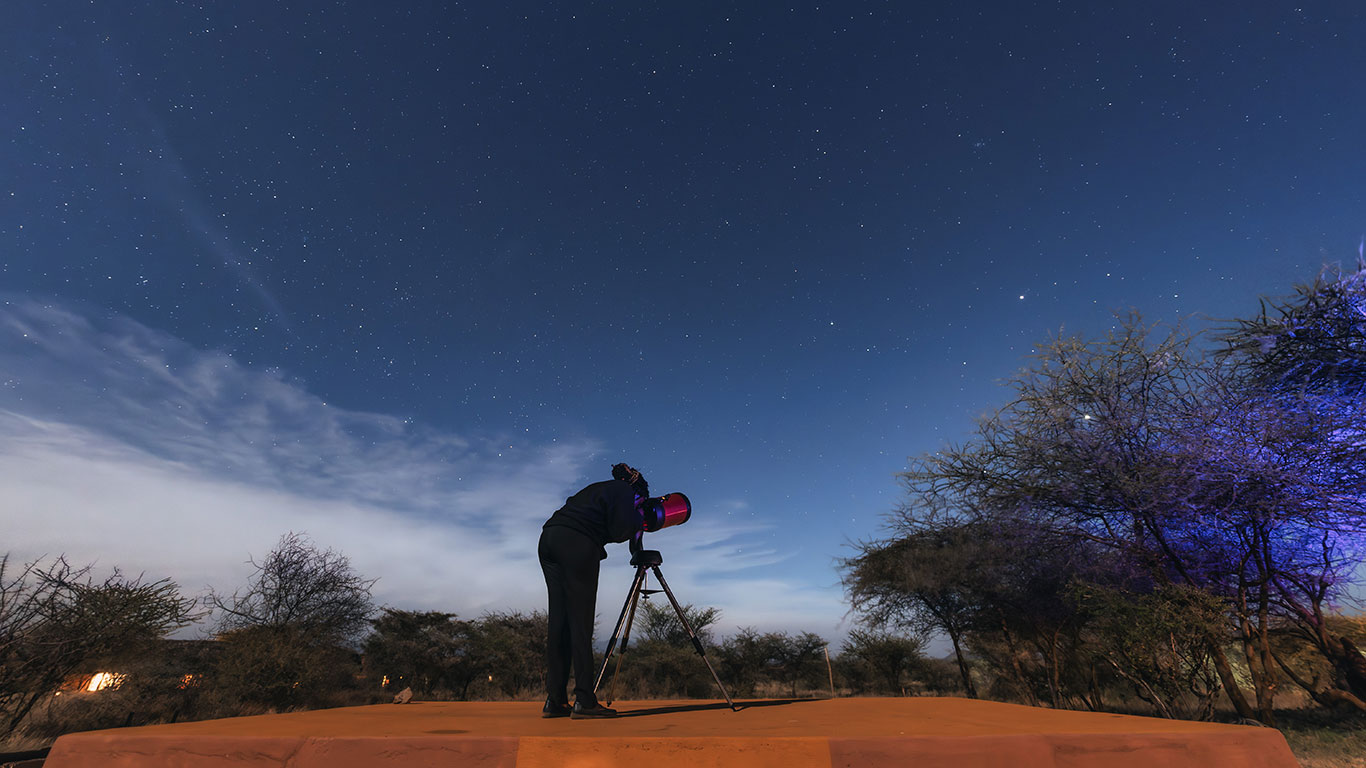
One thing people do not talk about enough is that only about 20% of the world’s population can truly enjoy the stars, not just see them, but immerse themselves in the depth and mystery of the night sky. Most of us are born under the orange glow of city lights, disconnected from the simple act of looking up and wondering what lies beyond our reach.
Kenya is uniquely positioned on the equator, giving it access to both the northern and southern hemispheres of the sky. This means 80 of the 88 known constellations are visible from here, a literal canvas overhead. All you need is a little guidance.
Before looking for stars and deep-sky objects, start with the Moon. Most of the time, your brain sees it as a flat disc. Instead, remind yourself that it is a sphere, 384,000 kilometres away, reflecting sunlight back to Earth. Hold that thought until it clicks. It transforms the way you see the sky. One can still do this from the city while tracking the Moon’s phases, rising and setting times.
This is the real art of stargazing, not just locating objects, but understanding what you are looking at. Lie on your back and look straight up. You are not staring at a ceiling, you are looking into a vast expanse where distances are so great that the word “far” loses meaning. The stars are not dots on a surface, they are other suns scattered across space, many far larger than our own.
One of the biggest misconceptions about stargazing is that it requires expensive equipment. It does not. Your eyes are enough to begin and a few smartphone apps can make the experience even more rewarding. Apps such as Stellarium, Sky Tonight and Telescopius can help identify stars, planets and constellations, track sky conditions and even show what distant celestial objects would look like through a telescope. These serve as simple guides.
A few things worth knowing:
- Planets do not twinkle; stars do.
- Shooting stars are not stars but rocks burning up in Earth’s atmosphere.
- A steadily moving point of light is usually a satellite, such as Starlink or the International Space Station.
If you want to elevate your stargazing experience, location and timing matter. The best views are found in dark-sky regions with minimal light pollution, especially during the dry seasons from January to March and June to October. For the darkest skies, plan around a new moon. Stay curious for the upcoming Strawberry Moon on June 30, which will rise shortly after sunset. Despite its name, it is not pink or red,it is called the Strawberry Moon because it marks the traditional strawberry harvest season.
For those without telescopes, astro-tourism offers a gateway to the cosmos. Guided by experts and equipped with powerful telescopes, you can explore planets, nebulae and distant celestial wonders while learning the stories behind them.
But why go through all this just to see stars? Because stargazing reminds us that there is a universe far bigger than our daily routines. It offers perspective, wonder and a rare connection to the same sky that generations before us have admired. The next time you find yourself beneath a dark sky, lie down, look up and let yourself wander among the stars.
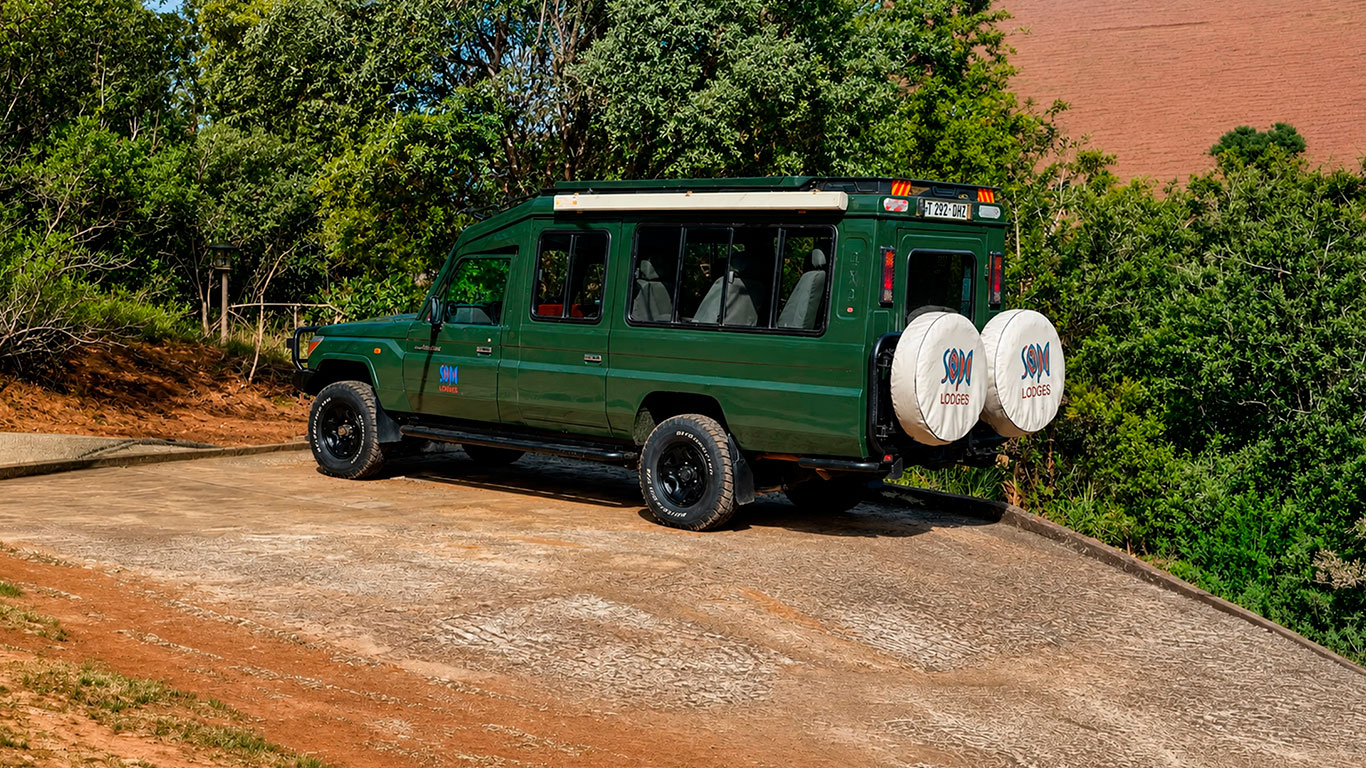
In the stillness of Tarangire National Park, where daylight slowly gives way to a starlit wilderness, Tarangire Sopa Lodge is opening a new chapter in safari storytelling, one defined by night exploration, comfort and deeper encounters with the wild.
At the heart of this experience is the lodge’s newest addition: a brand-new Land Cruiser perfect for night game drives. More than just an upgrade in transport, it represents a shift in how guests will experience the park after dark when Tarangire transforms into an entirely different world.
By day, the park is alive with vast elephant herds moving beneath ancient baobab trees, giraffes drifting across golden plains and herds gathering near the Tarangire River. But as the sun sets, a quieter, more mysterious rhythm takes over.
Night game drives open a rare window into Tarangire’s unseen life. This is when predators begin to stir, when nocturnal species emerge and when the sounds of the bush replace the visuals of the day. Under a canopy of stars, every rustle becomes a story waiting to unfold.
The introduction of the Land Cruiser enhances this experience further, offering guests a front-row seat to moments that are rarely witnessed in the natural world. Whether it is the distant call of a hyena, the silent movement of a leopard through the shadows, or the glow of eyes reflecting in the dark, each drive becomes an immersion into the unknown.
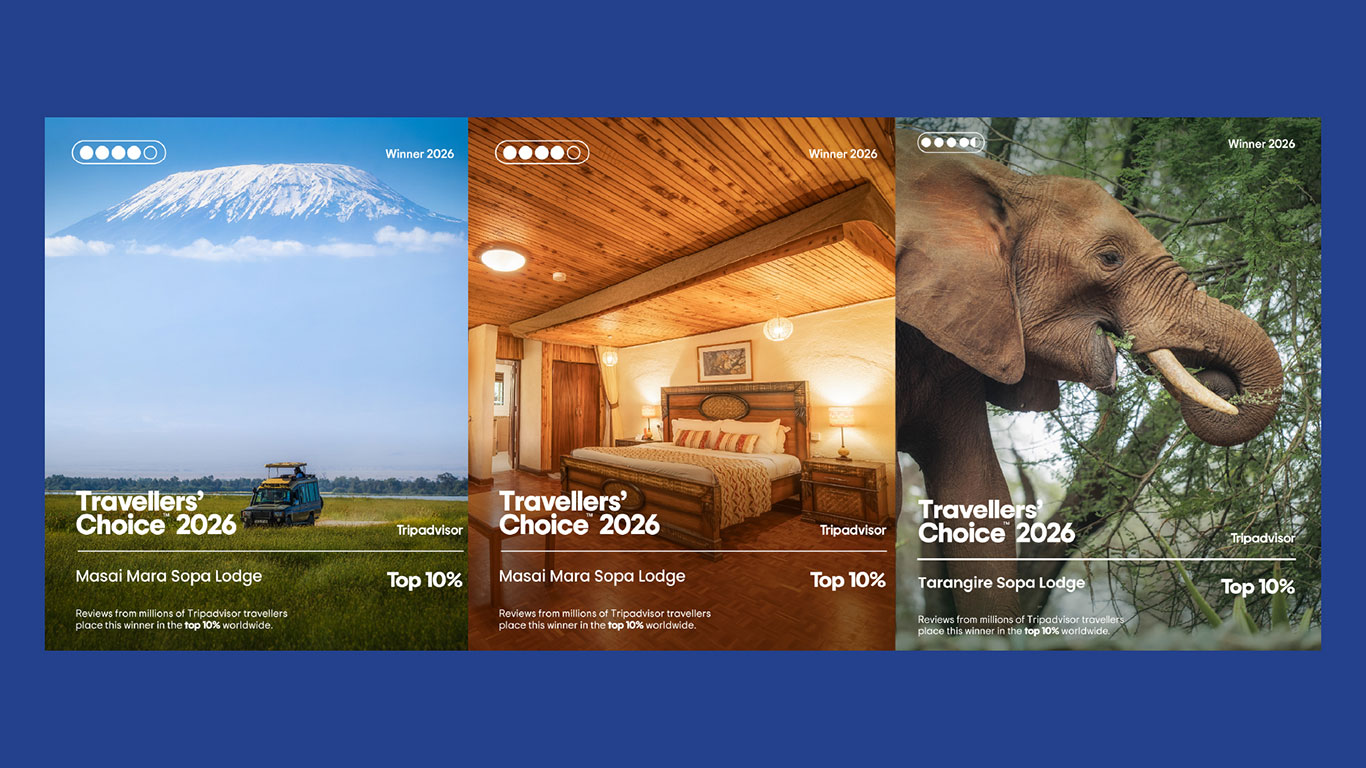
As we commemorate our 40 years of excellence, we are proud to announce that three of our properties have been recognised as Tripadvisor Travellers’ Choice 2026 Winners, placing us among the top 10% of properties worldwide based on guest reviews and ratings.
The honoured properties are:
- Amboseli Sopa Lodge
- Masai Mara Sopa Lodge
- Tarangire Sopa Lodge
The Travellers’ Choice Award celebrates accommodations that consistently deliver exceptional experiences and earn outstanding feedback from travellers around the world. This recognition reflects the dedication of our teams and our commitment to providing memorable safari experiences, warm hospitality and exceptional service across East Africa.
Our three properties located within most iconic wildlife destinations, continue to offer guests the opportunity to connect with nature while enjoying the comfort and authentic hospitality that define the Sopa experience.
We extend our sincere appreciation to our guests for their continued trust and positive reviews, which made this achievement possible. We also thank our dedicated team members whose passion and commitment help create unforgettable moments for every visitor.
As we celebrate this milestone, we remain committed to delivering exceptional safari experiences and creating lasting memories for guests from around the world.
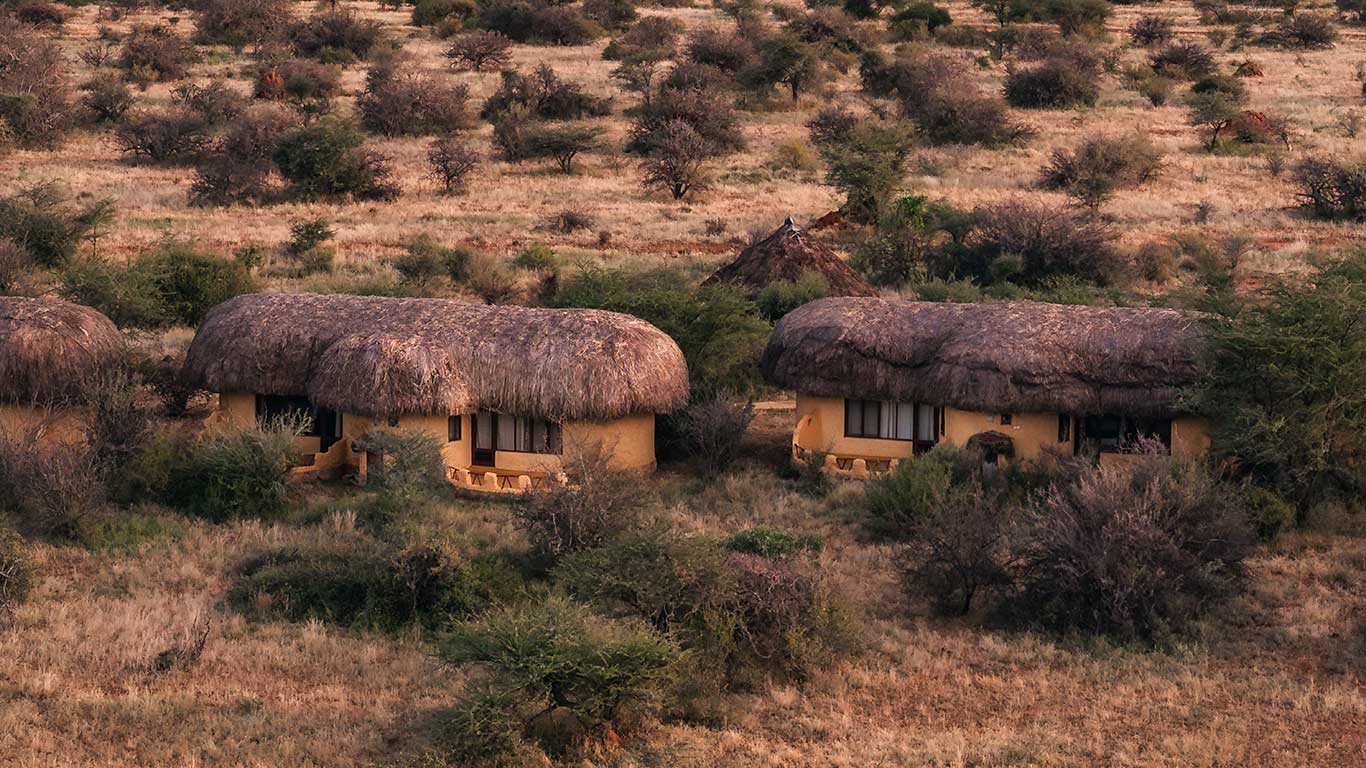
Long before Masai Mara Sopa Lodges stretched across the horizon, only one wing stood to welcome the first light of dawn. Do you know which wing was the original heartbeat of our lodge when we first opened our doors on the 8th of August, 1986?
The first answer wins…
Happy 40th Anniversary to us, and good luck to you!
How to Participate:
Send your answers to This email address is being protected from spambots. You need JavaScript enabled to view it. on or before 6th July 2026. Multiple submissions are allowed, but only one answer per email address. The winner will be contacted on email.
Terms and Conditions
The first closest answer wins.
- The voucher is valid for six months from the date of issue, excluding all public holidays, high-season dates and festive periods.
- This voucher may not, under any circumstances, be used for any form of advertising, including but not limited to online/digital advertising, pre-printed material or any general form of promotion.
- Room bookings are subject to availability.
- All participants must consent to the publication of their images on our website by signing the consent form.